
International
January 6, 2026
Venezuela-US Tensions Explained
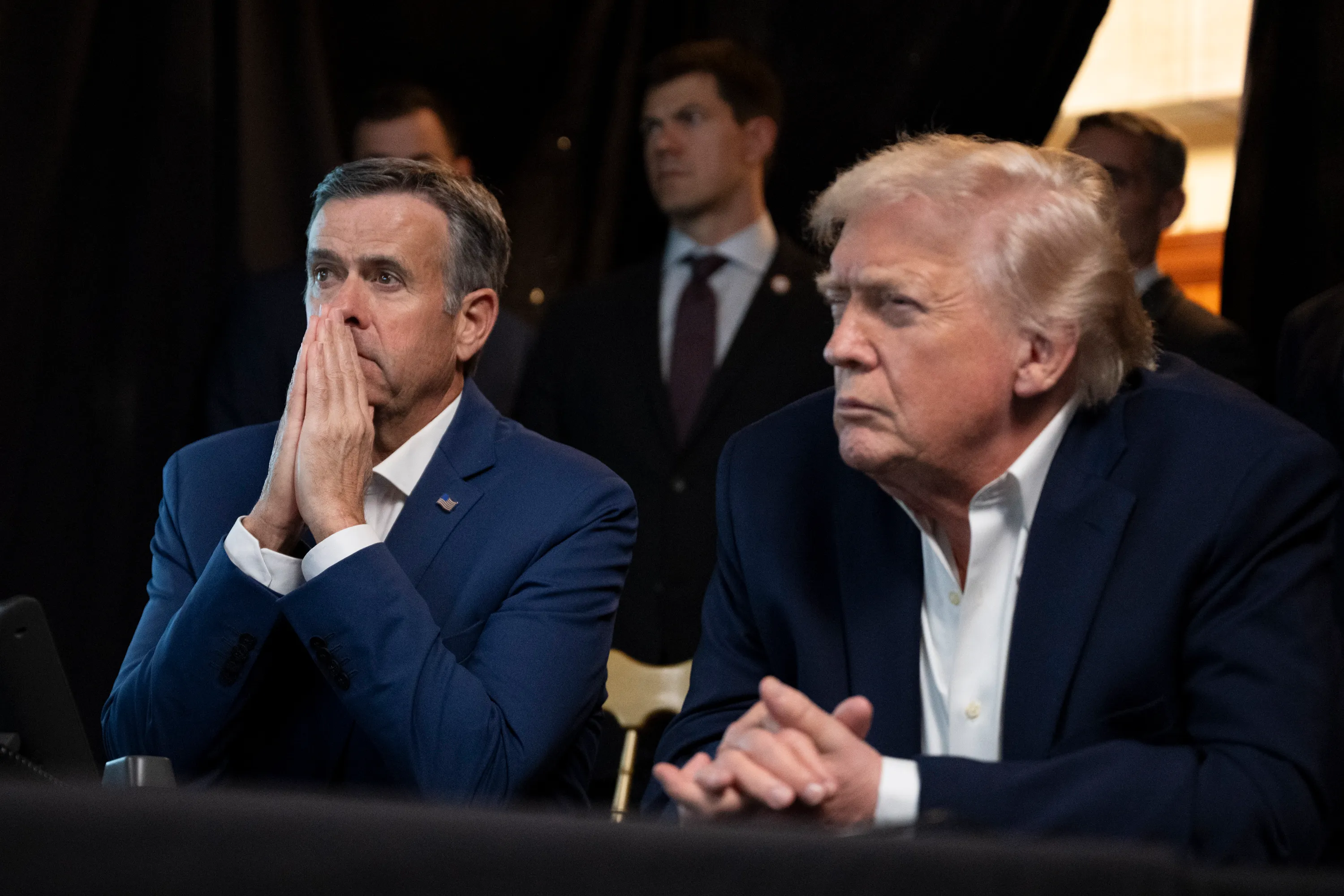
Tensions between the United States and Venezuela have exploded after a dramatic U.S. military operation in early January 2026, shaking global politics. With oil, power, and sovereignty at the center, the situation has raised serious questions about international law.
Recently, news related to Venezuela and the United States has been trending a lot over the internet. Many people are confused about what exactly is happening and why these two countries are once again in the news. Here’s a simple and easier explanation.
What Happened
On 3 January 2026, the United States launched a major military operation against Venezuela. The U.S. conducted airstrikes across northern Venezuela, including near the capital Caracas. The President of Venezuela Nicolas Maduro and his wife were reportedly captured by U.S. forces and taken to New York, where they are expected to face charges.
In order to support an apprehension force that landed in the capital city of Caracas, more than 150 aircraft from the United States Armed Forces participated in the operation, which targeted infrastructure throughout northern Venezuela. Delcy Rodriguez, the vice president of Venezuela, condemned the apprehension as kidnapping. According to Venezuelan and Cuban officials more than 80 persons were killed in the attack, including 32 Cuban military and intelligence personnel.
Reasons behind this Attack by U.S
The United States government says the operation was done for several reasons, mainly:
Oil Reserve
Venezuela has one of the largest oil reserves in the world. Because of this, global powers especially the U.S. have always kept a close eye on the country. Political instability and economic problems have made Venezuela a sensitive topic internationally.
Accusations Against President Maduro
The U.S. accuses Maduro of: Drug trafficking and narcoterrorism, Supporting criminal networks that harm U.S. security. These accusations were part of indictments filed in U.S. courts.
Long-term Tensions
The U.S. and Venezuela have been in conflict for years, especially with allegations that Maduro’s government is corrupt, repressive, and illegitimate after disputed elections.
National Security Claims
U.S. officials have said they acted to protect American security interests, including stopping drug trafficking and “narco-terrorism.”
Worldwide Reactions
Reactions around the world were mixed, with some members of the Venezuelan exodus protesting while others celebrated. The Trump administration defended the move by calling it a law-enforcement operation supported by the military and claimed the President had constitutional authority to carry it out. However, many international law experts, as well as officials from the United Nations and several countries, questioned whether the action was legal.
US President Donald Trump stated that the United States would oversee Venezuela until a transfer of power occurred, but these statements were later denied by Venezuelan officials and softened by the US Secretary of State. Despite the claims, the Venezuelan government stayed in power, with Delcy Rodriguez who was part of Maduro’s inner circle becoming acting president following an order from the country’s Supreme Tribunal of Justice.
US officials say there are no immediate plans for further military action in Venezuela, but Donald Trump warned that the US is “not afraid” to send troops if needed. He also said American oil companies could enter Venezuela to repair oil infrastructure and start producing oil, claiming the US would recover the money it has spent and sell oil to other countries.
Venezuela’s government strongly rejected these statements, calling them an attempt to take control of the country’s oil and mineral resources and weaken its political independence. Venezuela has the world’s largest proven oil reserves, though its heavy oil is harder to refine than the lighter oil produced in the US.