
International
January 13, 2024
US invites India to Pax silica and G7 Mineral meet suddenly-It will change India's shape in global supply chain
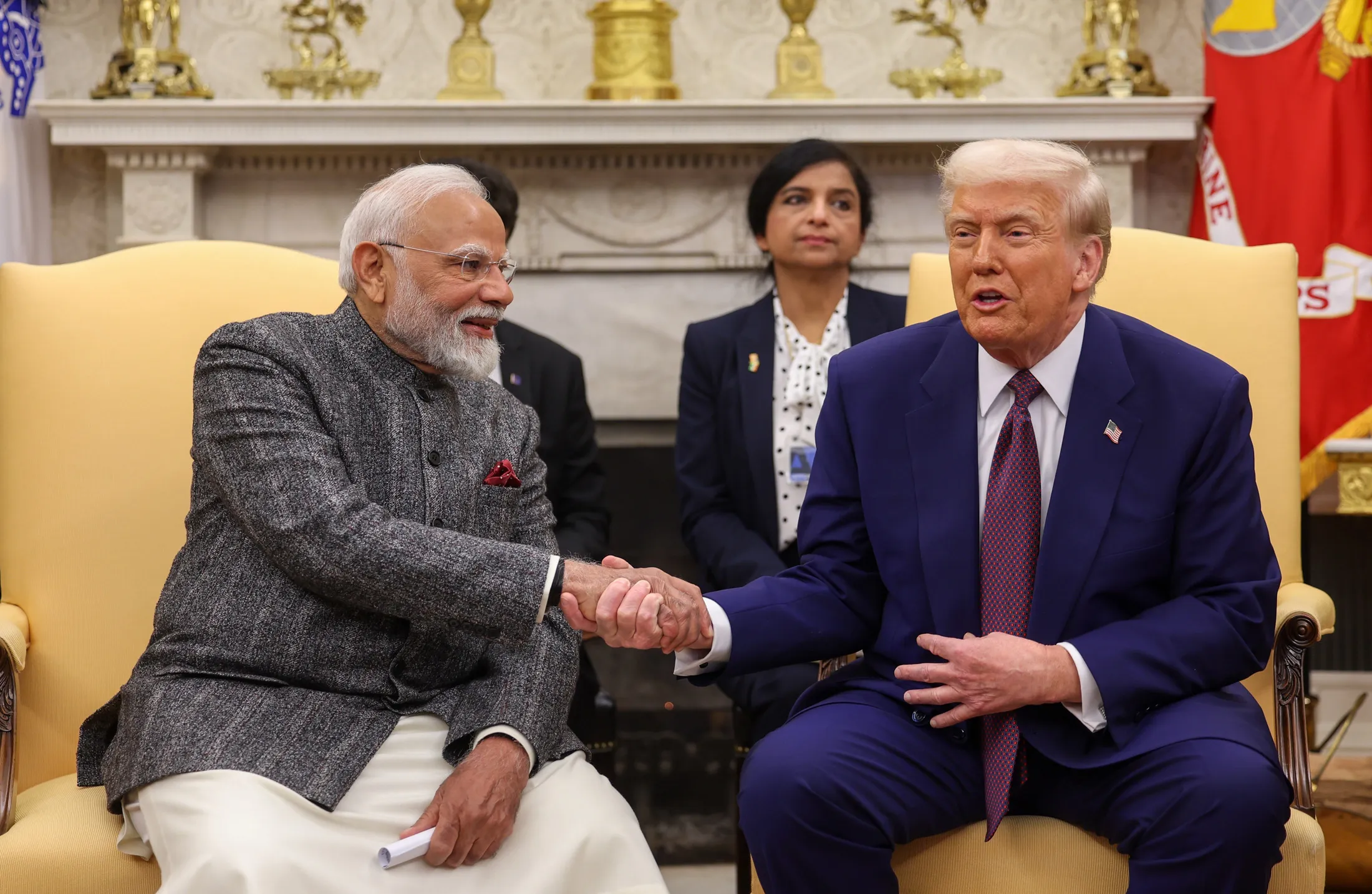
The US has invited India to join Pax Silica and the G7 Critical Minerals Initiative-a move that signals a major global tech and supply-chain realignment. Here’s what it means for India, jobs, technology, and the future of “Made in India.”
Tricky tube’s Quick Summary
- India is invited to Pax Silica, a top-tier US tech alliance
- The US sees India as its most critical long-term partner
- India joins the G7 Critical Minerals Initiative to reduce China dependence
- Semiconductors, AI, and minerals are at the core of this shift
- This move can reshape India’s economy, jobs, and global standing
Introduction: A Big Decision Happening Quietly
Sometimes, the most powerful global decisions don’t come with loud headlines or dramatic press conferences. They happen quietly but their impact lasts for decades. One such moment is unfolding right now. The United States has officially invited India to join Pax Silica, an exclusive US-led technology alliance, and also extended an invitation to the G7 Critical Minerals Initiative. On the surface, it may sound diplomatic. But underneath, this is about control of future technology, global manufacturing dominance, and breaking China’s monopoly.
This is not just good news for policymakers. This decision has direct implications for jobs, income levels, manufacturing growth, AI development, and India’s position in the global supply chain.
What Exactly Is Pax Silica
Pax Silica is a US-led strategic technology alliance focused on three things that will define the next 30-40 years:
- Silicon & semiconductor manufacturing
- Advanced computing and AI infrastructure
- Control over future product design and production Until recently, this elite group consisted of just 8 trusted nations. India was noticeably missing and that absence triggered serious concern among policy experts and tech observers. Semiconductors are not just chips. They are the brain of every modern system from smartphones and electric vehicles to missiles and data centers. Whoever controls semiconductor ecosystems controls the future economy. By inviting India, the US is making a clear statement that India is no longer just a market. India is a strategic producer.
Why India Was Initially not a part of Pax-silica and why the decision has now changed
When Pax Silica was first discussed, India’s exclusion raised surprise. Many believed India deserved a seat at the table given its scale, talent pool, and geopolitical importance. That uncertainty ended when the new US Ambassador to India, Sergio Gor, publicly confirmed that India is now invited.
His words were not diplomatic fluff. He made it clear that no partner matters more to the United States than India. This shift reflects a deeper reality:
- The US needs reliable allies in Asia
- Supply chains can no longer depend on one country
- India offers scale, democracy, talent, and long-term stability
The G7 Critical Minerals Initiative
Not only Pax Silica, India’s invitation to the G7 Critical Minerals Initiative is equally important-if not more strategic.
Why are critical minerals so important?
Modern technology depends on minerals like:
- Lithium (EV batteries)
- Cobalt (energy storage)
- Rare earth elements (chips, defense systems, wind turbines) Right now, China controls a large portion of these mineral supply chains-not just mining, but processing as well. The G7 initiative aims to:
- Reduce dependence on China
- Create transparent, secure mineral supply chains
- Partner with trusted countries like India For India, this means:
- Investment in mining and processing
- Strategic leverage in global manufacturing
- Long-term economic security
Why the US Is inviting India-Not Anyone Else
This decision is not emotional. It is purely strategic. India offers:
- A massive skilled workforce
- Rapidly growing manufacturing capability
- Strong IT and AI ecosystem
- Political alignment with democratic values Unlike short-term trade partners, India represents long-term continuity. The US understands that future global supply chains need redundancy, trust, and scale and India checks all three boxes. This is also why concerns about leadership changes in the US don’t really alter the trajectory. Even when president Donald Trump made unpredictable statements about India institutional US policy remained steady. Governments may change, but strategic interests don’t.
What This Means for India’s Economy and Jobs
This is where the story becomes personal. Being part of Pax Silica and the Critical Minerals Initiative opens doors to:
- Semiconductor fabrication plants
- Advanced manufacturing clusters
- Data centers and cloud infrastructure
- AI research hubs
The ripple effects:
- Higher-quality manufacturing jobs
- Rise in per capita income
- Skill-based employment, not just labor-based
- Stronger “Make in India” credibility
FAQs
What is Pax Silica in simple terms?
Pax Silica is a US-led alliance focused on sharing advanced semiconductor, silicon, and AI technologies with trusted partner nations.
Why is India’s inclusion important?
It signals that India is no longer just a consumer market but a strategic producer in future global technology supply chains.
How does this affect China’s dominance?
Both Pax Silica and the Critical Minerals Initiative aim to reduce China’s control over chips and key raw materials.
Will this create jobs in India?
Yes. High-skill manufacturing, AI, data science, and infrastructure jobs are expected to grow significantly.
Is this decision dependent on US leadership changes?
No. Strategic partnerships like this are driven by long-term national interests, not individual leaders.