
International
January 9, 2026
Trump order to Leaves International Solar Alliance in Gurugram-India. Big alert for India
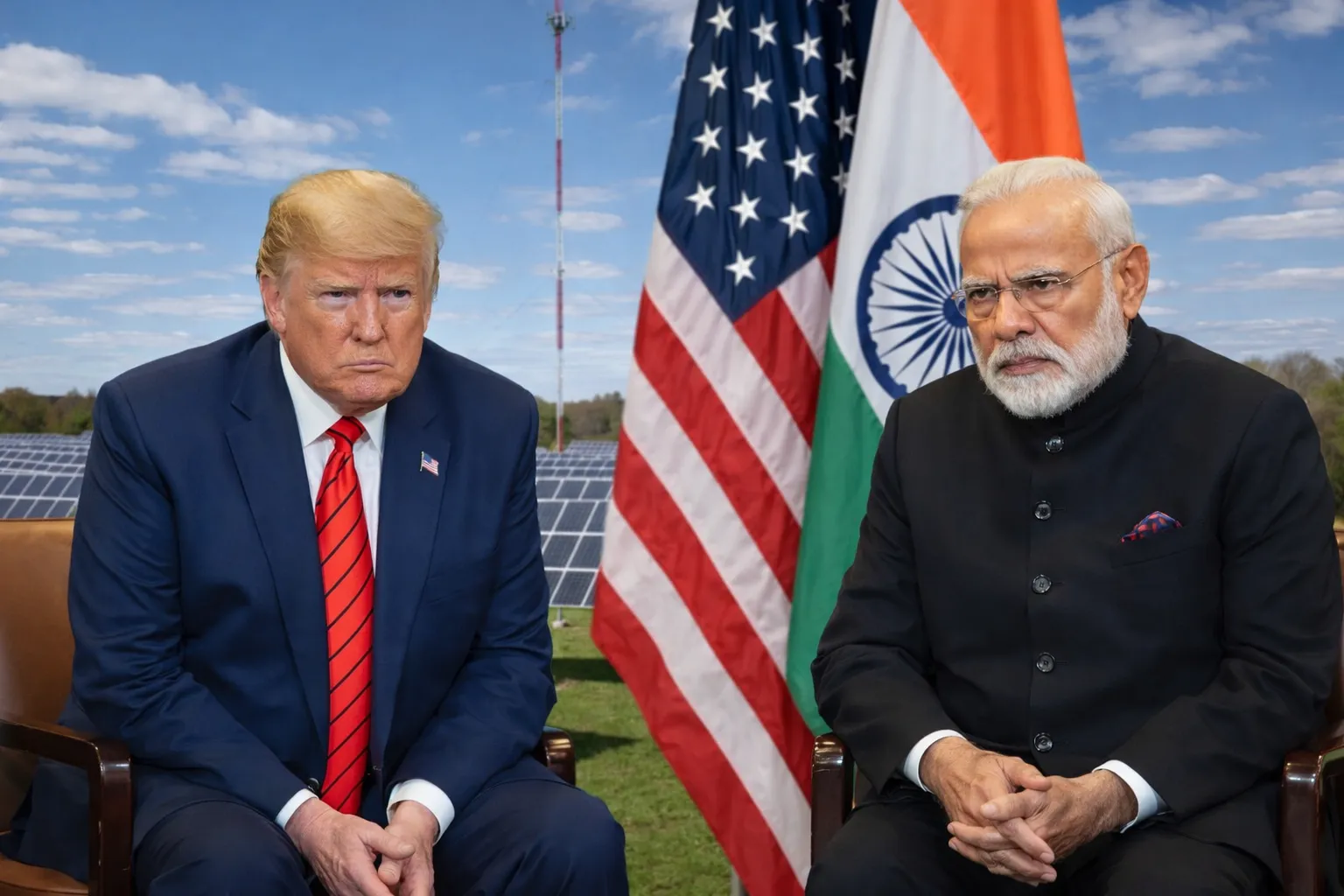
The US decision to leave the International Solar Alliance is not just about solar energy. It exposes deeper cracks in global diplomacy and puts India’s leadership ambitions under pressure.
Tricky Tube’s Quick Summary
- US has exited the International Solar Alliance calling it useless
- India’s Global South leadership takes a hit
- Decision looks political, not financial
- Other countries may rethink participation
- India needs stronger, protected alliances
What Is the International Solar Alliance (ISA)?
The International Solar Alliance is a global initiative started by India and France to promote solar energy, especially in developing countries. Its headquarters is in Gurugram, India, making it a symbol of India’s rising role in climate diplomacy. For India, ISA was not just an energy platform , it is a combination of soft power, leadership, and global influence. US joined the ISA in 2021 as the 101st member.
US’S Action against ISA
Under Donald Trump’s administration, the United States officially walked out of ISA along with 65 other international organizations. The US government labelled ISA as: Redundant, Wasteful, Anti-American and a threat to US sovereignty, freedom and general prosperity. Such strong words clearly show this was more of an ideological move than a practical one.
The US administration further added It is no longer acceptable to be sending these institutions the blood, sweat, and treasure of the American people and there is no need to flow of billions of dollars of taxpayer money to foreign interests.
Is This Action Really About Money?
The US claims it is cutting unnecessary spending. But at the same time, America’s military budget continues to grow and in a view US never spent a huge amount of money in the institutions like ISA. This contradiction makes one thing clear that the decision is completely political instead financial.
Why this has a negative impact On India?
India has been projecting itself as a leader of the Global South. ISA was a major pillar of that vision. When a superpower like the US exits, it directly weakens India’s diplomatic narrative. It sends a message that India-led initiatives may not always get long-term support from big powers even close partners.
Possibility of a Domino Effect
When a powerful country leaves, smaller nations start doubting the platform. Countries like Bangladesh which have currently disputed relation with India and others may question whether staying in ISA is worth it. If more exits happen in future, ISA could lose momentum and global relevance.
What Should India Learn From This?
India now needs to rethink how it builds alliances. Informal groupings without legal protection are risky. Even strategic platforms like the QUAD can become unstable if leadership changes in partner countries. India may need: Stronger institutional safeguards, Clear exit barriers, and more self-reliant diplomatic strategies.
Conclusion
This situation is not just about solar energy. It is about trust and reliability in global politics. As India strengthens its global position, it must be cautious while depending on partners like the United States. Leadership needs preparation for uncertainty, not blind trust.