
National
January 12, 2026
Pakistani Drones spotted in jammu SKY-Indian Army Open fire ,High alert issued
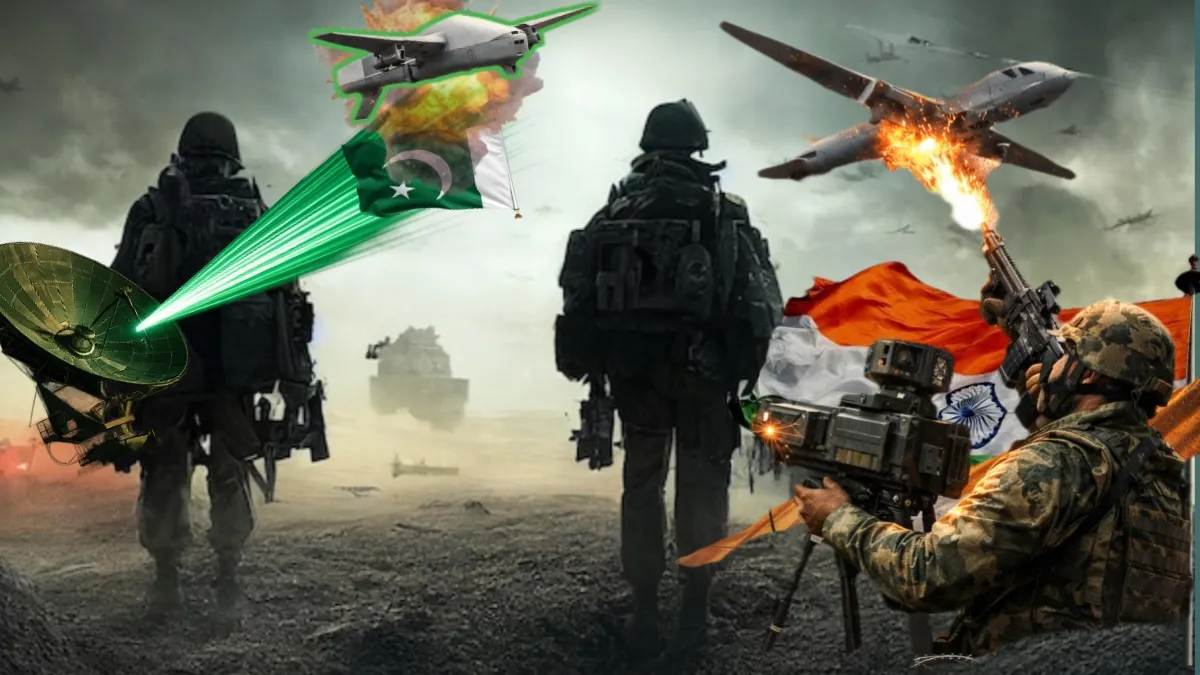
Cross-border drone activity from Pakistan has sharply increased along the Line of Control and the International Border in Jammu. India is now dealing with a new-age security challenge that goes far beyond simple surveillance.
Tricky tube’s Quick summary
Pakistan is using drones as a low-cost, high-impact weapon along the LoC. India’s response is firm, tech-driven, and evolving fast-but the threat is no longer occasional, it’s persistent.
The Incident
Over the past few days, multiple drone sightings have been reported near the Line of Control (LoC) and the International Border in Jammu. Areas like Samba, Rajouri, Poonch, and Nowshera have witnessed repeated attempts by unmanned aerial vehicles to breach Indian airspace. The Indian Army responded immediately. Small arms and heavy machine guns were used to neutralize these drones, while ground forces launched search operations to ensure that no weapons, explosives, or contraband had been dropped. What’s worrying is not just the presence of drones-but the frequency, coordination, and intent behind them.
Pakistan’s Growing Drone Capability & Turkey Connection with it
Pakistan has been aggressively upgrading its drone ecosystem. A major boost has come through its partnership with Turkey, which plans to set up drone assembly units in Pakistan under a deal reportedly worth hundreds of millions of dollars. These are not hobby drones. Many are kamikaze (suicide) drones, designed to crash into targets and explode on impact.
In a previous incident during India’s counter-terror operation in May, a Turkish-made drone launched from Lahore was shot down before it could hit an Indian Air Force in Punjab. That incident was a clear signal: drones are now part of Pakistan’s offensive playbook.
Operation Sindoor & Drone Warfare
The current wave of intrusions is closely linked to Operation Sindoor, India’s response to a terror attack in Pahalgam. After this operation, Pakistan appears to have shifted tactics-trying to overwhelm Indian defenses by sending multiple drones simultaneously. Even after ceasefire announcements, drone activity did not stop, indicating that these operations are not accidental but deliberate. This is classic proxy warfare-keeping tensions alive without triggering a full-scale military confrontation.
Why Drones Are Pakistan’s Preferred Weapon
Drones offer Pakistan four major advantages:
Weapon & Explosive Delivery
Drones can silently drop pistols, assault rifles, grenades, IED components, and communication devices to sleeper cells. Winter months like Chilai Kalan were earlier used to exploit reduced movement-but drones remove that limitation entirely.
Narcotics Smuggling
Along borders like Punjab, drones are frequently used to drop drugs. This funds terror networks and targets Indian youth, creating long-term internal instability.
Reconnaissance & Intelligence Gathering
Drones help map troop movements, patrol timings, radar blind spots, and infiltration routes-information that can later be used for terror attacks.
Psychological Warfare
Even when drones don’t carry weapons, their presence creates fear among civilians living near the LoC, serving Pakistan’s goal of mental pressure.
Why Multiple Drones at Once Is Dangerous
The use of multiple drones in a short span suggests network-level planning, and not isolated smugglers. It also indicates:
- A saturation test to identify weak points in Indian air defenses
- An attempt to exploit any post-operation relaxation in security
- Coordination involving handlers, launch teams, and ground modules This is why security agencies are treating these incidents as strategic threats, not routine border violations.
India’s Response
India’s counter-drone response is layered and evolving:
- Immediate neutralization using visual spotting and radar detection
- Enhanced night surveillance with thermal imaging
- Radio frequency jammers to disable drone controls
- AI-assisted monitoring systems
- Indigenous anti-drone systems developed by DRDO According to senior military leadership, future conflicts will not remain limited in nature—and drones will play a decisive role.
Why Jammu & Kashmir Remains the Prime Target
The geography of Jammu & Kashmir works in favor of drone operators:
- Mountainous terrain
- Dense forests
- Low night visibility
- Civilian settlements close to the LoC All of this makes weapon drops easier and detection harder.
Pakistan’s Role & Proxy Strategy
Officially, Pakistan denies involvement. On the ground, however, India sees a familiar pattern-state agencies enabling non-state actors. This strategy allows Pakistan to talk peace diplomatically while maintaining pressure through covert means.
Masood Azhar’s Audio & The Threat Narrative
Adding to the tension, an audio message attributed to Masood Azhar, the head of Jaish-e-Mohammed, claimed the group has a large pool of suicide attackers ready for action. The intent is clear: create fear, spread panic, and signal continued hostility.
India’s View
India is no longer treating drones as surveillance toys. They are now seen as frontline infiltration tools capable of triggering terror attacks deep inside the country.
FAQs
Why is Pakistan using drones instead of militants?
Drones reduce risk, increase reach, and allow Pakistan to deny direct involvement.
Are kamikaze drones a serious threat to India?
Yes. They can target military assets and cause significant damage if not intercepted.
How effective are India’s anti-drone systems?
India’s indigenous systems have shown strong detection and neutralization capability.
Why is Jammu region more affected than others?
Terrain, forests, and proximity to civilian areas make it ideal for covert drone operations.
Can drones trigger terror attacks inside India?
Yes. Weapon drops can reactivate dormant terror modules.