
National
January 24, 2026
Odisha Pulls the Emergency Brake on Gutka: Will This Ban Actually Save a Generation?
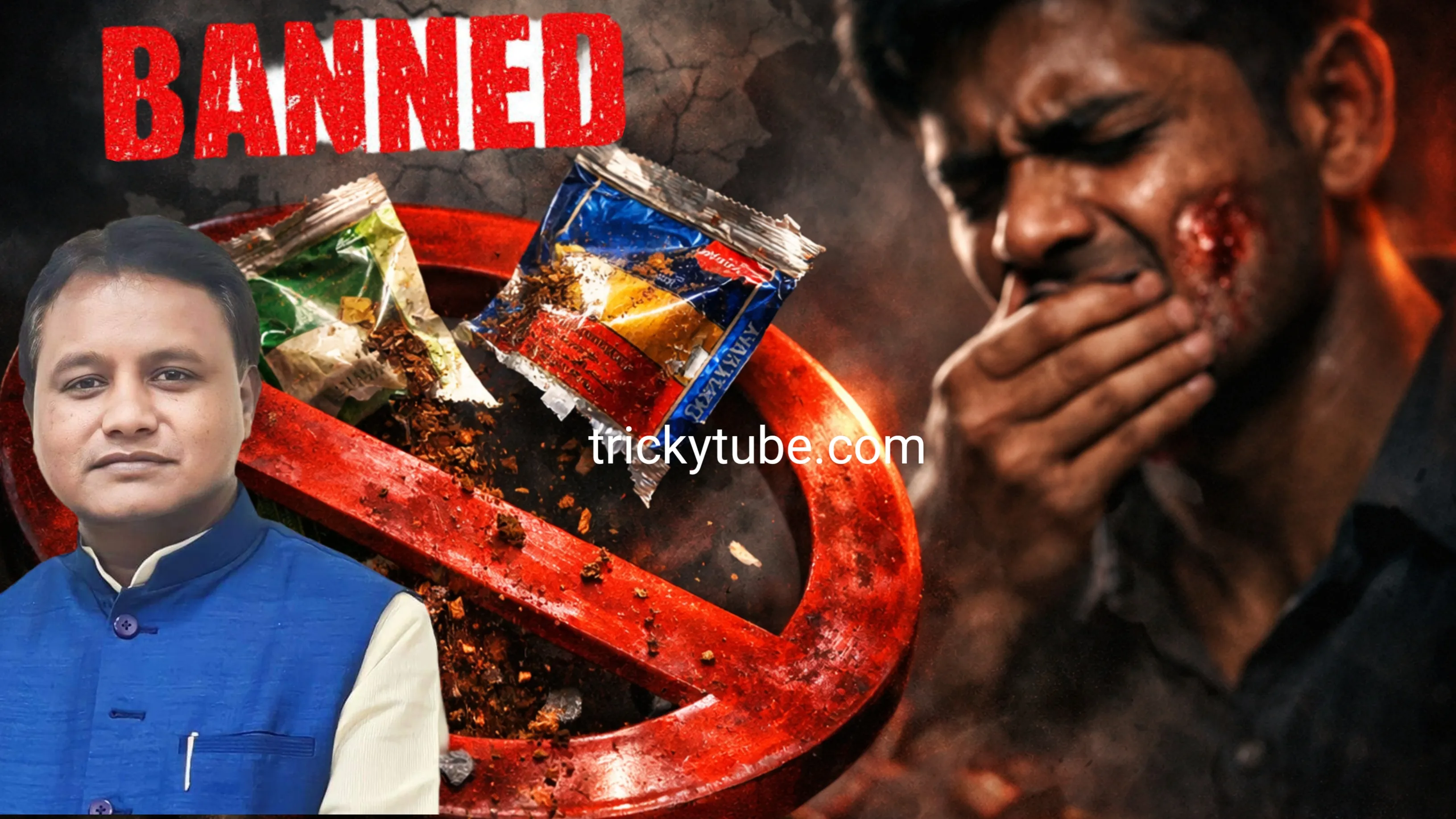
Odisha has once again drawn a hard line against gutka, pan masala, and all nicotine-based products. With cancer cases rising alarmingly among young people, the state government’s fresh ban sounds decisive on paper. But after a similar move failed in the past, the real question is uncomfortable yet unavoidable: will this ban finally work, or is it just another notification waiting to be ignored?
TrickyTube’s Quick Summary
- Odisha bans gutkha, pan masala, and all nicotine products
- Rising youth cancer cases triggered urgent action
- Similar ban in 2013 failed due to poor enforcement
- Experts warn against loopholes and weak monitoring
- Success depends on strict implementation and awareness
The Ban of Gutka in Odisha
In a move that immediately grabbed public attention, the Odisha government announced a complete ban on gutka, pan masala, and all tobacco and nicotine-based products across the state. The notification doesn’t leave room for interpretation-it prohibits production, storage, transportation, sale, and consumption of these products within Odisha’s borders. This is not a symbolic restriction. It’s an outright shutdown. The decision comes at a time when doctors and health officials are raising red flags over a disturbing trend: a sharp rise in cancer cases, particularly oral cancer, among teenagers and young adults. What was once seen as a “cheap habit” has now turned into a public health emergency.
Why the Government Stepped In-Again
According to health officials, tobacco and nicotine products are among the leading causes of preventable cancer in India. In Odisha, hospitals are seeing younger patients-sometimes in their early twenties-diagnosed with severe oral and throat cancers. This shift has forced policymakers to act. The Health Department’s stance is clear: banning access is the fastest way to slow down consumption, especially among school- and college-going youth who are easily influenced by peer pressure and aggressive marketing.
But here’s the uncomfortable truth-this isn’t Odisha’s first attempt.
Back in 2013, a similar ban was issued. It looked strong on paper, just like the current one. Yet gutka packets quietly continued to change hands at Betel shops, street corners, and local markets. Enforcement was weak, monitoring was inconsistent, and over time, the ban lost its bite.
The Real Villain: Easy Availability
If you walk through many Indian markets today, you’ll still find tobacco products openly sold-even where they’re officially banned. This gap between law and reality is exactly what worries health experts. Dr. Mohammad Imran Ali, a vocal advocate for tobacco control, has repeatedly pointed out that bans fail when enforcement stops at paperwork. In earlier cases, companies cleverly bypassed restrictions by selling pan masala and tobacco in separate pouches, leaving it to consumers to mix them later. Technically legal. Practically disastrous. If authorities don’t crack down on these loopholes, history may repeat itself.
Youth in the Crosshairs
One of the most troubling aspects of the tobacco problem is how young people are deliberately targeted. Despite strict laws against tobacco advertising in India, surrogate ads, flashy branding, and indirect promotions continue-especially on digital platforms and local signage. The damage is not abstract. Nicotine addiction rewires the brain, making quitting harder the earlier someone starts. When a 16-year-old develops a habit today, the healthcare system pays the price a decade later. From that perspective, Odisha’s decision feels less like a ban and more like a last-minute rescue attempt.
Opinion: A Ban Alone Is Not Enough
Here’s the hard take-bans don’t fail because they’re bad ideas; they fail because they’re treated as the final step instead of the first. If Odisha genuinely wants results, enforcement has to be relentless:
- Surprise inspections
- Heavy penalties for repeat offenders
- Accountability for local authorities
- Zero tolerance for surrogate advertising More importantly, public awareness must run parallel to policing. Without education, bans only push the problem underground.
The Bigger Implication for India
What Odisha is doing could set a national precedent. If the state manages to enforce this ban successfully, it sends a powerful signal to others struggling with similar health crises. If it fails again, it risks reinforcing public cynicism-where laws are seen as temporary announcements rather than permanent change. This ban is not just about gutka. It’s about whether public health can win against habit, profit, and weak enforcement.
Final Thought
Odisha has taken a bold step-no doubt about that. But bold announcements don’t save lives. Consistent action does. The coming months will decide whether this ban becomes a case study in effective governance-or another reminder that intentions alone don’t cure cancer.
FAQs
What products are banned under Odisha’s new notification?
All gutkha, pan masala, tobacco, and nicotine-based products-covering production to consumption.
Why is this ban significant now?
Because cancer cases, especially oral cancer among young people, are rising rapidly in the state.
Didn’t Odisha ban gutkha earlier as well?
Yes, in 2013-but enforcement was weak, leading to widespread violations.
What could make this ban successful?
Strict enforcement, closing legal loopholes, public awareness campaigns, and accountability at local levels.
Can this influence other states?
If implemented effectively, Odisha’s move could inspire stronger tobacco control across India.