
International
January 25, 2026
Is Bangladesh Really Boycotting the T20 World Cup 2026 in India — or Is This a Losing Battle Against Cricket’s Power Structure?
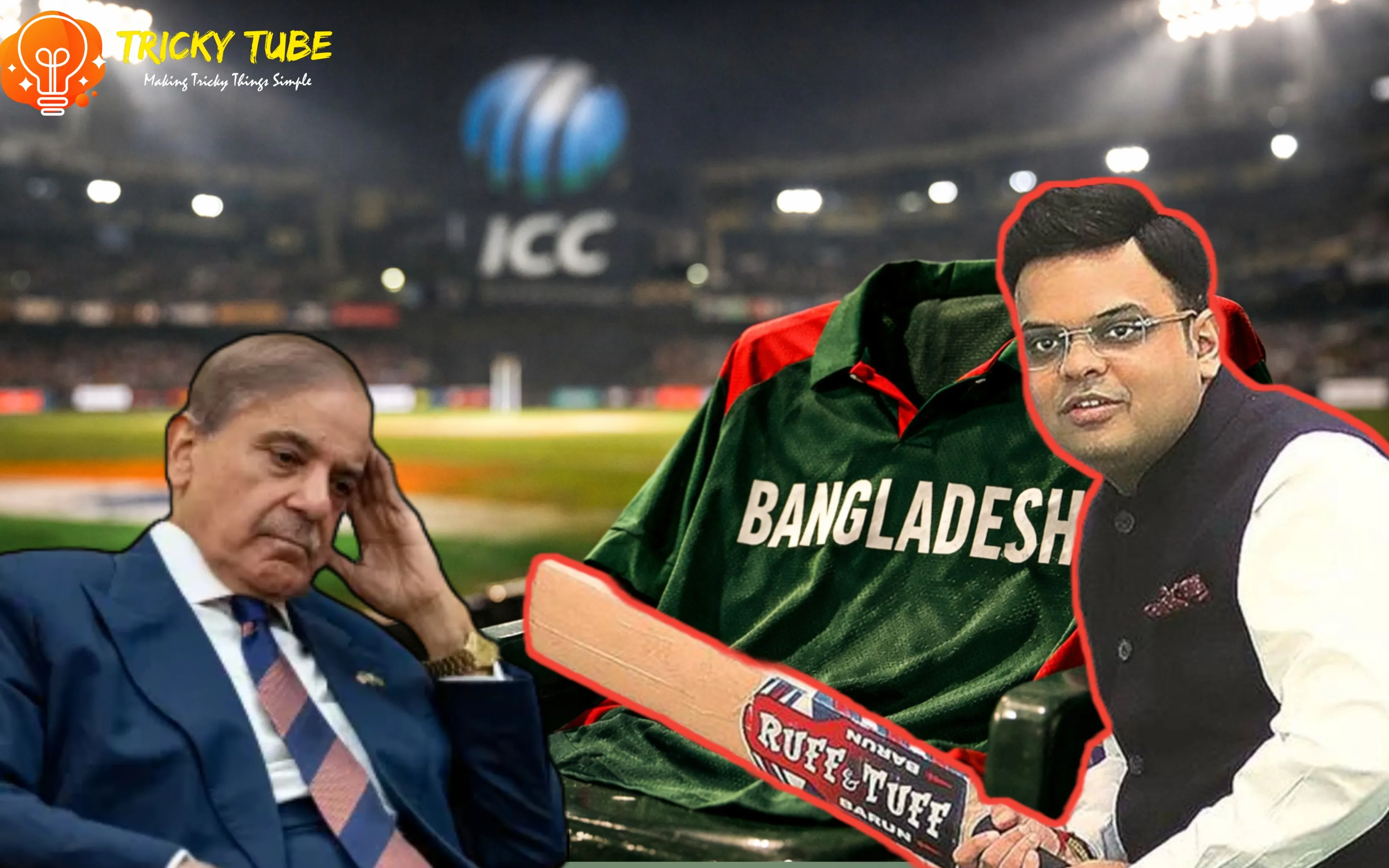
What happens when a mid-tier cricket nation takes on the most powerful ecosystem in world cricket? Bangladesh’s reported refusal to play T20 World Cup 2026 matches in India has triggered noise, outrage, and online calls for a boycott. But beyond emotions and headlines, does this protest actually change anything — or does it expose how modern cricket truly works?
TrickyTube’s Quick Summary
- Bangladesh has reportedly refused to play T20 World Cup 2026 matches in India citing security concerns
- The protest indirectly challenges the ICC and its leadership
- Major teams have not supported the boycott narrative
- Pakistan is unlikely to join due to financial and strategic losses
- Modern cricket power is driven by money, viewership, and relevance
- A boycott would hurt Bangladesh more than the tournament
What if a team refuses to show up for the biggest cricket event on the planet — and almost no one notices? That’s the uncomfortable question hanging over Bangladesh’s reported decision to not send its team to India for the T20 World Cup 2026, citing “security concerns.” On paper, it sounds dramatic. In reality, it opens up a far more revealing conversation about power, money, and relevance in modern international cricket. According to recent reports and discussions, Bangladesh has taken a defiant stand, openly questioning the venue allocation and indirectly challenging the authority of the International Cricket Council and its current leadership under Jay Shah. The argument is simple: the security situation in India has not changed, and Bangladesh is unwilling to risk its players.
But here’s where the narrative starts cracking. If India is truly unsafe, why have cricketing heavyweights like England and Australia raised no objections? Even Pakistan — a country with far more complex political history with India — has not formally echoed Bangladesh’s concerns. That silence speaks louder than any boycott threat. This is not just about safety. This is about leverage.
Why Bangladesh’s Protest Feels Isolated
Cricket today is no longer run on sentiment or moral pressure. It runs on viewership graphs, broadcast deals, and commercial gravity — and that gravity is firmly centered around India. The Board of Control for Cricket in India is not just another cricket board. It is the financial engine of world cricket. Broadcasters follow Indian audiences. Sponsors follow broadcasters. And tournaments follow the money. Bangladesh’s frustration is understandable. In a system where decisions often appear top-down, smaller boards can feel unheard. But openly challenging the ICC ecosystem without allies is like throwing a stone at a moving freight train. It makes noise — but it doesn’t stop anything.
The Pakistan Angle: Online Noise vs Reality
Interestingly, much of the loudest online support for Bangladesh’s stance has come from Pakistan-based fans and commentators. Social media is filled with calls urging Pakistan to join the boycott and “teach the BCCI a lesson.” But reality is colder than hashtags. Pakistan’s cricket administrators know one brutal truth: boycotting a global ICC event would hurt Pakistan far more than it hurts India. Participation fees, broadcast revenue, sponsorship exposure — walking away from these would be self-sabotage. And even if Pakistan did join, would it derail the tournament? Highly unlikely.
A Hard Truth: India–Pakistan Is No Longer the Center
There was a time when India vs Pakistan was the heartbeat of world cricket. That era is fading.
Today, the biggest commercial and competitive rivalries are India vs Australia and India vs England. These contests deliver quality cricket, balanced competition, and massive global audiences. India’s consistent dominance over Pakistan in recent years has quietly reduced the sporting unpredictability that once fueled the rivalry. This shift matters. Because relevance in cricket is no longer about history — it’s about who people tune in to watch.
Would Anyone Miss Bangladesh at the T20 World Cup?
This is the most uncomfortable question — but it needs to be asked honestly. The T20 World Cup features 20 teams. It is packed with stars, associate nations, and multiple high-voltage matchups. If Bangladesh doesn’t show up, the tournament will still go on. Broadcasters won’t panic. Fans won’t boycott. The schedule won’t collapse. That doesn’t mean Bangladesh is unimportant as a cricketing nation — but it does highlight where it currently stands in the global hierarchy. And that’s the real issue here.
The Financial Reality Bangladesh Can’t Ignore
A boycott isn’t just symbolic. It’s expensive. Walking away from the World Cup would likely cost Bangladesh millions of dollars in participation fees alone. Add lost broadcast revenue, reduced sponsorship value, and long-term diplomatic strain within the ICC — and the price becomes enormous. For a board that already operates with limited financial flexibility, this is not a hit they can afford easily.
My Take: Protest Without Power Rarely Works
Here’s the uncomfortable but honest opinion: Bangladesh is fighting the wrong battle, in the wrong way, at the wrong time. If security concerns are genuine, they must be addressed quietly, diplomatically, and collaboratively — not through public posturing that isolates the board further. Cricket politics rewards negotiation, not confrontation. This episode doesn’t weaken the ICC or the BCCI. It exposes how little room smaller boards have when they stand alone. And that, more than anything, tells you how world cricket truly functions in 2026.
FAQ
Has Bangladesh officially withdrawn from the T20 World Cup 2026?
No official withdrawal has been confirmed yet. The stance currently reflects defiance and concern rather than a final decision.
Why isn’t Pakistan supporting Bangladesh openly?
Because a boycott would lead to heavy financial losses and minimal impact on the tournament itself.
Does the ICC favor India?
The ICC operates within a system where revenue largely comes from Indian markets, which naturally gives India more influence.
Can the T20 World Cup happen without Bangladesh?
Yes. With 20 teams and multiple marquee matchups, the tournament structure remains intact.