
International
January 9, 2026
From 50% to 500% Trump's Tarif Threat on India (Sanctioning russian act of 2025)
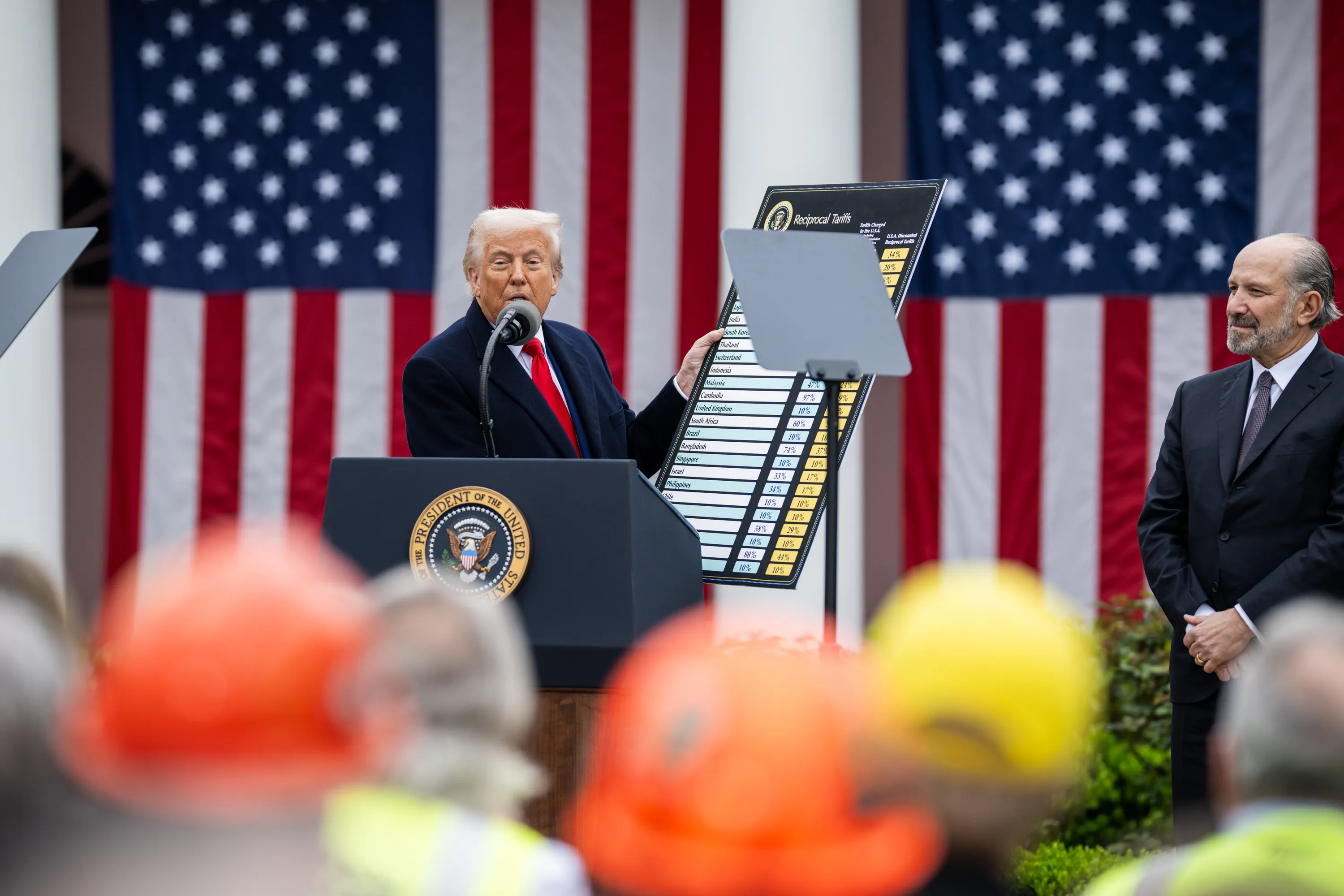
Donald Trump-backed legislation proposing a massive 500% tariff on countries buying Russian oil has put India in a difficult spot. While the move is aimed at weakening Russia, its ripple effects could seriously reshape India–US trade and global geopolitics.
Tricky Tube’s Quick Summary
- US-backed bill may impose a 500% tariff on countries buying Russian oil
- India is named because it purchased cheap Russian crude
- India says this is a business decision, not politics
- Such a tariff could seriously hurt India-US trade
- Markets and companies are already feeling the pressure
The global trade conversation has once again heated up after US President Donald Trump publicly backed a proposal that could impose up to 500% tariffs on countries importing Russian oil, gas, or uranium. India, along with China and Brazil, finds itself directly in the line of fire. At first glance, this may look like another tough-on-Russia move from US. But in reality, the implications go far beyond Russia and could seriously strain India-US economic relations.
What is the bill is about?
The proposed legislation, popularly referred to as the Sanctioning Russia Act of 2025, is designed to choke Russia’s war economy by targeting its energy revenues. Instead of sanctioning Russia alone, the bill introduces secondary sanctions-penalizing countries that continue to buy Russian energy by slapping extreme tariffs on their exports to the United States.
A 500% tariff is not meant to generate revenue. It is a geopolitical weapon-so that it would make Indian products practically unsellable in the US market.
Why US target India?
After Western sanctions in 2022, India became one of the largest buyers of discounted Russian crude. From India’s perspective, this was a purely commercial decision necessary to control inflation and ensure energy security. India has consistently maintained that it has not violated any UN sanctions. Still, US sees India’s energy trade with Russia as indirectly supporting Russia. That is why India’s name appears explicitly in the bill.
India is already dealing with existing US tariffs of around 50% on certain goods. A jump to 500% could collapse bilateral trade, impact exporters, and send shockwaves through financial markets.
In fact, just the proposal of this bill has already caused volatility in Indian stock markets. Analysts warn that full implementation could trigger deeper corrections-not just in India, but also in China and other emerging economies.
Corporate & Policy Signals from India
Interestingly, India seems to be quietly reducing its exposure. Reliance Industries, India’s largest refiner and a major buyer of Russian crude, has already announced it will not take Russian oil deliveries in January 2026. This signals a possible strategic adjustment, even without public confrontation.
At the policy level, India’s approach remains cautious. Business leaders like Uday Kotak have openly acknowledged the “absolute power” the US holds in finance, technology, and military strength-power that Trump appears ready to use aggressively.
A Bigger Geopolitical Shift?
Another important undercurrent is India’s evolving stance toward China. Faced with uncertainty from US, India is actively working to stabilize and rebuild ties with china, including discussions on allowing Chinese firms into Indian infrastructure projects. Just a few years ago, this would have seemed unthinkable. This suggests that India is quietly diversifying its strategic options, rather than depending too heavily on any single global power.
Conclusion
Trump’s tariff threat is not just about Russia-it’s about redefining global power dynamics. For India, the challenge lies in protecting economic interests without surrendering strategic autonomy. While a “wait and watch” approach may buy time, the world is clearly moving toward a more fragmented and confrontational trade order. One thing is certain: if these tariffs become reality, the impact will be felt far beyond headlines-right into markets, diplomacy, and everyday economic decisions.