
National
January 7, 2026
Bangladesh Threaten to Boycott T20 World cup in India
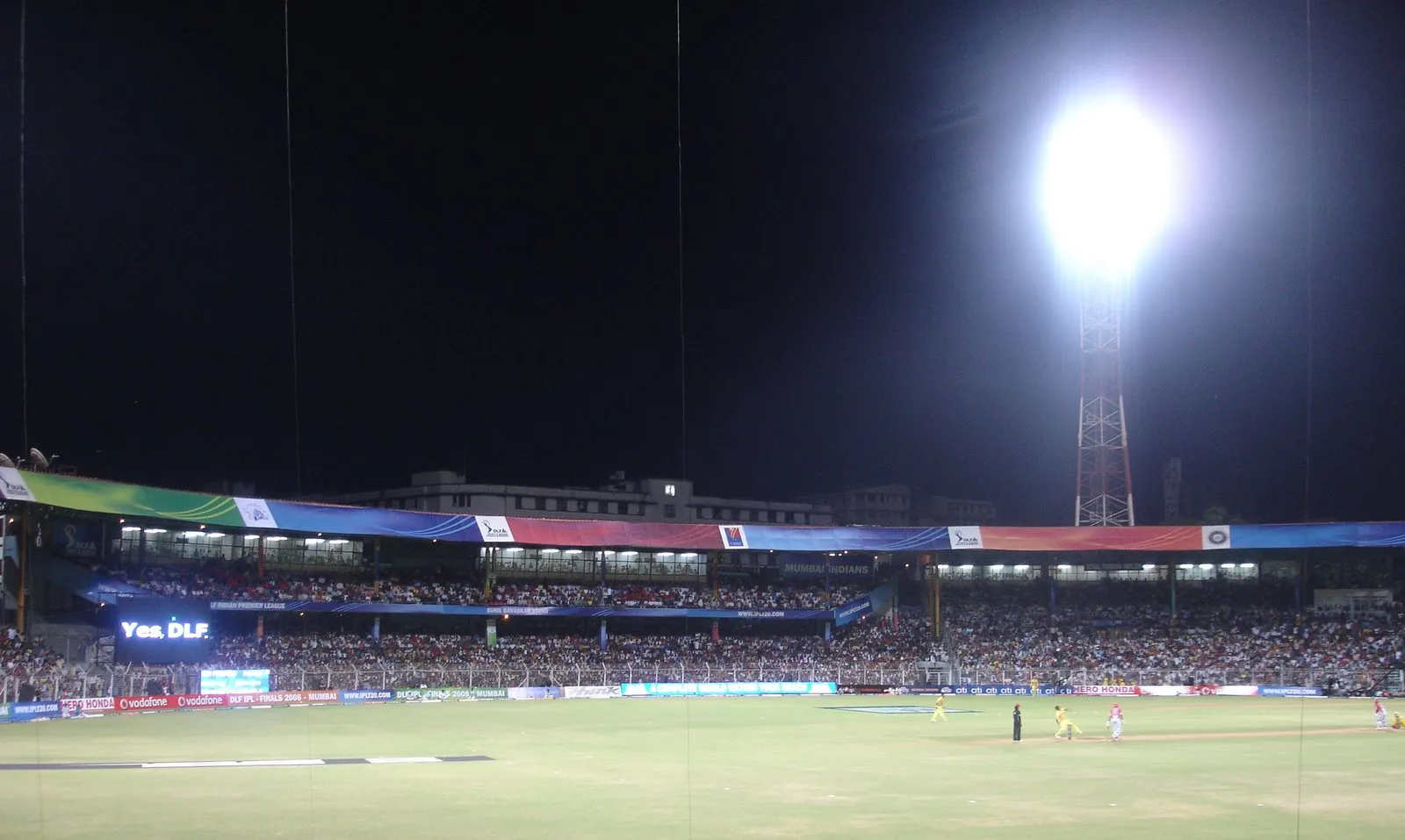
Bangladesh Threaten to boycott IPL Broadcast and not to Came INDIA for playing T20 World cup after the release of Bangladesh Fast bowler Mustafizur Rehman from IPL team KKR after the communal tension in Bangladesh.
Cricket relations between India and Bangladesh appear to be entering one of their most uncomfortable phases in recent time. What started as a controversy on a single player has now grown into a broader dispute involving broadcast bans, World Cup participation doubts, and serious diplomatic undertones.
Bangladesh Ban IPL Broadcasting
Bangladesh has officially banned the broadcast and promotion of the Indian Premier League (IPL) across the country, becoming the second nation after Pakistan to take such a step. On the surface, this sounds like a strong blow to Indian cricket, but financially, the impact on the BCCI is expected to be minimal. Bangladeshi broadcasters have already paid IPL media rights fees that run until 2027. The ban primarily affects T-Sports, a Bangladesh-based sports channel, which will now lose IPL viewership, advertising revenue, and relevance during IPL season.
Bangladesh Threat to Boycott T20 World Cup
The situation escalated further when Bangladesh reportedly approached the International Cricket Council (ICC), requesting a rescheduling of their 2026 T20 World Cup matches away from India. The tournament is currently scheduled to be co-hosted by India and Sri Lanka. Bangladesh has cited player safety concerns in India and claimed that their government advised against traveling there under the current situation. This request has raised serious questions within global cricket circles, as moving matches away from a host nation is not a routine or simple decision.
Reason behind this action
At the heart of the controversy lies Mustafizur Rahman-the left-arm pacer was signed by Kolkata Knight Riders (KKR) for ₹9.2 crore, making him the most expensive Bangladeshi player in IPL history. However, soon after the signing, the BCCI reportedly instructed KKR to release him. While no detailed public explanation was given, the move sparked widespread anger in Bangladesh. Many fans and commentators there viewed the decision as humiliating and politically motivated, rather than purely cricket-related.
The lack of official communication from Bangladesh’s cricket authorities to the BCCI regarding this issue further highlighted how strained the relationship has become.
Adding fuel to the fire are allegations that Bangladesh’s interim government, led by Mohammad Yunus, is actively taking steps that could worsen ties with India. While such claims remain politically sensitive, the timing of cricket-related decisions has led many observers to believe that sports is being used as a pressure tool in a larger diplomatic context.
Why was Mustafizur Release?
Rising diplomatic and political tensions between India and Bangladesh especially after communal violence incidents in Bangladesh in late 2025 created a sensitive atmosphere around a Bangladeshi player participating in IPL matches held in India. With protests and political pressure growing, the IPL authorities became cautious about hosting a high-profile Bangladeshi cricketer during such a volatile period. In this tense backdrop, the BCCI took the unusual step of directly instructing Kolkata Knight Riders to release Mustafizur Rahman, overriding the franchise’s auction decision. KKR complied, and the player was released even before the tournament began.
What triggered the current India-Bangladesh cricket tensions?
The release of Mustafizur Rahman from his contract with Kolkata Knight Riders is widely seen as the turning point behind the current cricket tensions between India and Bangladesh. The decision carried symbolic weight because Mustafizur was not just another overseas player—he was the most expensive Bangladeshi cricketer ever signed in the IPL. When the BCCI stepped in and instructed KKR to release him despite the completed auction deal, it triggered strong emotional reactions in Bangladesh. Many there viewed the move as unfair and politically influenced rather than purely cricketing, which intensified public anger and resentment toward India. The situation further escalated as Bangladesh’s interim government, led by Mohammad Yunus, reportedly used the controversy to harden its stance against India. Instead of defusing tensions, the incident became a tool that deepened diplomatic and sporting friction between the two countries.
What will happen to T20 World cup?
As of now, Bangladesh’s participation in the upcoming T20 World Cup remains uncertain. Possible outcomes range from Bangladesh being compelled to play as scheduled, to matches being shifted to neutral venues, or though unlikely Bangladesh being removed from the tournament altogether. Any such decision would not only affect Bangladesh cricket but also set a major precedent for how international tournaments deal with political and security disputes.
Conclusion
What is clear is that this is no longer just about IPL broadcasts or one fast bowler. It reflects a deeper breakdown in trust between cricket boards and governments. If the situation isn’t handled carefully, one of Asia’s most intense cricket rivalries could turn into long-term hostility hurting players, fans, and the game itself.